
The Estrobolome Connection: Why Your Gut Controls Your Hormones
The Missing Piece in Your Hormone Story
If you've been working on your hormones — trying supplements, adjusting your diet, tracking your cycle, maybe even doing hormone panels — and nothing seems to stick, there's a piece of the puzzle most practitioners never address.
It doesn't live in your ovaries. It doesn't show up on a standard hormone panel. And it's almost certainly not something your conventional doctor has talked to you about.
It lives in your gut.
Specifically, it lives in a community of gut bacteria called the estrobolome — and understanding how it works may be the most important shift you make in your approach to hormonal health.

What Is the Estrobolome?
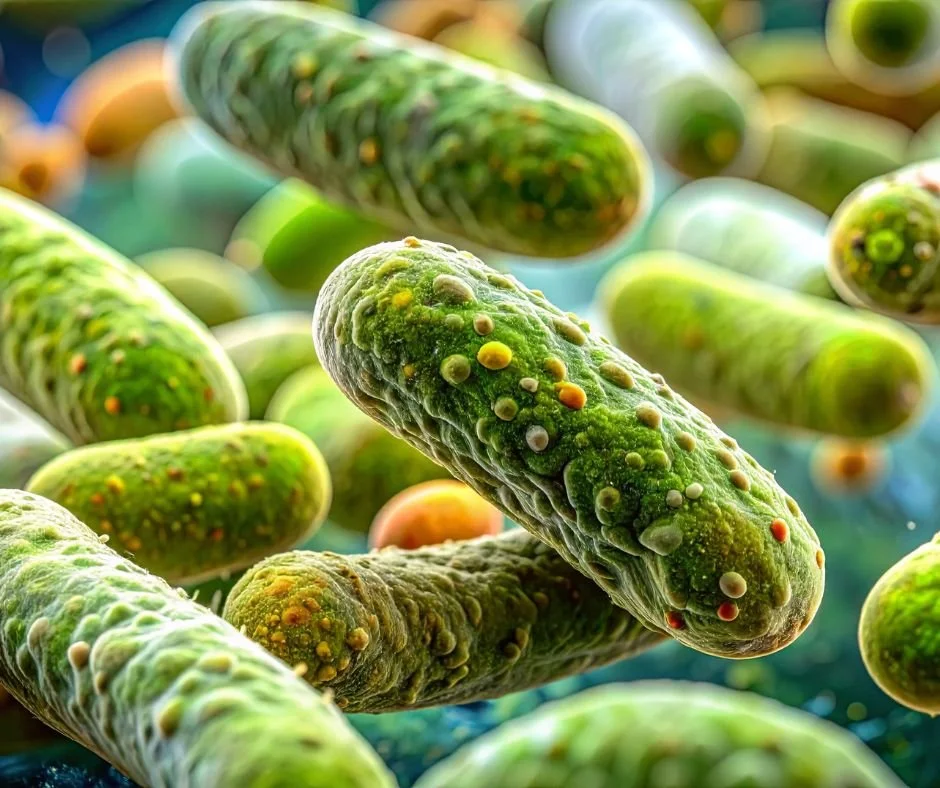
The estrobolome is the collection of gut microbes responsible for metabolizing estrogen in the digestive tract. These bacteria produce an enzyme called beta-glucuronidase, which plays a direct role in determining how much estrogen circulates in your body at any given time.
Here's how the process works: after your liver processes estrogen and prepares it for elimination, it sends it to the gut to be excreted. A healthy estrobolome allows this clearance to happen efficiently. But when the estrobolome is disrupted — through dysbiosis, poor diet, antibiotic use, or chronic stress — beta-glucuronidase becomes overactive.
Instead of estrogen being eliminated, it gets reactivated and reabsorbed back into the bloodstream. Your body ends up recirculating estrogen it was supposed to clear — and this is where the symptoms begin.
What Estrobolome Disruption Looks Like Clinically
One of the patterns I see most often in practice is a patient who comes in with what looks like classic estrogen dominance — bloating, breast tenderness, heavy or irregular periods, mood swings in the second half of her cycle, stubborn weight gain around the hips and thighs.
She's tried progesterone cream. She's cleaned up her diet. She's done multiple hormone panels. And yet the symptoms persist.
When we look deeper through a functional medicine lens, the real driver is almost always the gut. The estrobolome is dysregulated, estrogen is being reabsorbed rather than cleared, and no amount of hormone supplementation will solve the problem until we address the underlying gut dysfunction first.
This is a clinical pattern supported by a growing body of peer-reviewed research. A 2026 study published in ScienceDirect confirmed that bacterial enzymes in the gut — particularly beta-glucuronidase and steroid sulfatase — directly regulate estrogen recirculation, and that disruptions to the estrobolome are linked to estrogen-driven conditions including endometriosis, PCOS, and hormonally-driven cancers.
Three Gut Factors That Directly Affect Your Hormones
1. Gut Dysbiosis and the Estrobolome
When harmful bacteria overgrow and beneficial bacteria decline, the estrobolome tips out of balance. Beta-glucuronidase activity rises, estrogen recirculates, and symptoms that look hormonal are actually driven by the gut.
Supporting microbial diversity — through fiber-rich whole foods, fermented foods, and targeted probiotic strains — is one of the most effective long-term strategies for hormone balance.
2. Sluggish Bile Flow
Bile, produced by the liver and stored in the gallbladder, is essential for eliminating used hormones. When bile flow is slow or thick, estrogen that has been processed by the liver cannot exit the body efficiently.
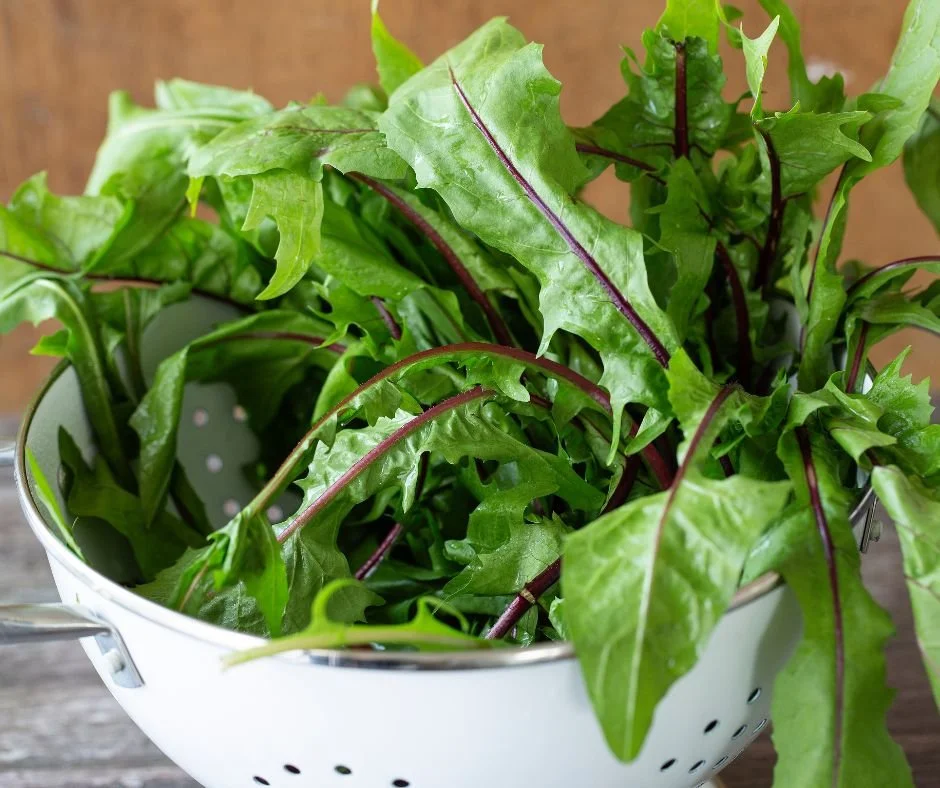
Bitter foods — dandelion greens, arugula, radicchio — stimulate bile production. So do adequate hydration, healthy fat intake, and targeted supplements like phosphatidylcholine and taurine. Supporting bile flow is one of the most underutilized tools in clinical hormone work.
3. Intestinal Permeability
When the gut lining is compromised — a state often called "leaky gut" — bacterial fragments and undigested proteins enter the bloodstream, triggering a systemic inflammatory response. This inflammation doesn't just cause digestive symptoms. It directly interferes with hormone receptor sensitivity.
Your body may be producing hormones in the right amounts, but if the receptors are inflamed and unresponsive, the hormones cannot do their job. Repairing the gut lining is often the prerequisite to hormones actually working again.
How the REWIRE™ Framework Addresses This

In the REWIRE™ Longevity Method, we follow a specific clinical sequence before addressing hormones directly. The W phase — Withdraw Inflammatory and Oxidative Burden — is where gut restoration happens.
This is intentional. You cannot stabilize hormonal signaling in a body that is inflamed, permeable, and poorly detoxifying. The cell must be capable of responding before we ask the hormonal system to rebalance.
Trying to fix hormones without addressing the gut first is one of the primary reasons patients stay stuck — cycling through supplements and protocols without sustainable results.
Where to Start: A Clinical Framework
If you suspect your gut is driving your hormonal symptoms, here is how I approach this clinically:
Assess gut function first. Bowel motility, stool consistency, history of antibiotic use, digestive symptoms that seem unrelated to hormones — these are all important clinical signals.
Support the estrobolome. Aim for 30 or more different plant foods per week to support microbial diversity. Add fermented foods — coconut kefir, kimchi, sauerkraut — and consider targeted probiotic strains that support healthy estrogen clearance.
Open bile flow. Bitter greens before meals, adequate water, healthy fats, and botanical support can significantly improve hormone elimination through the bile pathway.
Repair the gut lining. Remove inflammatory triggers — processed seed oils, alcohol, highly refined foods. Add gut-lining nutrients: L-glutamine, zinc carnosine, collagen, and bone broth. And don't underestimate the role of nervous system regulation — a dysregulated nervous system keeps the gut in a chronic state of impaired repair.
Don't skip the somatic layer. The gut-brain axis is real and clinically significant. Chronic stress, unprocessed emotions, and nervous system dysregulation directly impair gut motility, stomach acid production, and microbiome diversity. Healing the gut always includes the whole person.
The Bottom Line
Your gut is not a side issue in hormone health. It is the foundation.
When the estrobolome is disrupted, estrogen recirculates instead of clearing — driving symptoms that look hormonal but are rooted in the digestive system. When we restore gut function at the root level, the ripple effects across hormone balance, energy, mood, and metabolism can be profound.
If this resonates with your experience, the next step is understanding what's actually driving the dysfunction in your body — not guessing, but testing.
Ready to Take the Next Step?
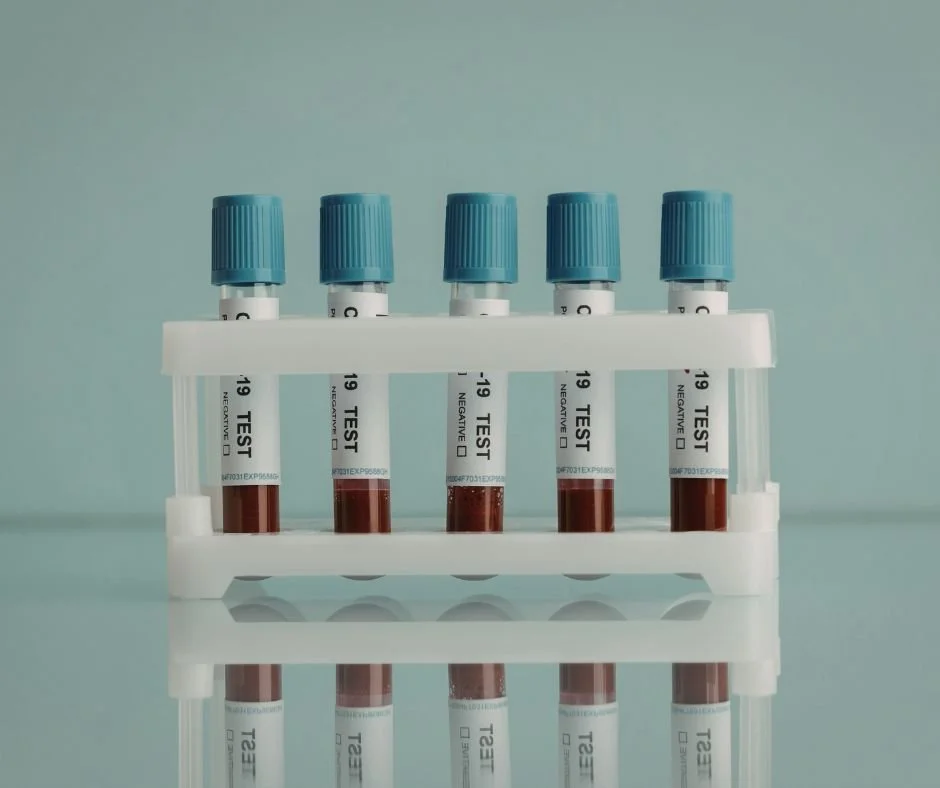
Longevity Lab Starter — $57 Foundational markers to assess gut health, inflammation, blood sugar, and thyroid function. Order here →
Longevity Lab Deep Dive — $87 A comprehensive panel that goes deeper into gut function, hormone balance, and metabolic health. Order here →
Root Cause Diagnostic Intensive — $297 Ready for a deeper conversation? Let's map your path forward together. Book here →
Dr. LuLu Shimek, ND, FMCP-M is a Naturopathic Physician and Functional Medicine Certified Professional specializing in longevity medicine, root-cause diagnostics, and the REWIRE™ Longevity Method.
Follow her on Instagram @drlulushimek.